

How PDC Dentists Become Seasoned Dental Professionals
Graduating from dental school is an exciting accomplishment, but earning a degree is only the beginning of a dentist’s professional development. The transition from dental school to daily patient care brings new challenges, responsibilities, and opportunities to learn. For young dentists at PDC, those early years can provide valuable experience that helps build confidence and establish a foundation for a successful career.
At Progressive Dental Concepts, we recognize that becoming a seasoned dental professional takes time. Clinical experience, collaboration, communication, and continued learning all play important roles in that journey.
Building Confidence Through Patient Care

Dentistry continues to evolve. New technologies, materials, techniques, and research regularly influence how dental care is provided.
Dental school provides essential clinical training. However, practicing dentistry every day allows young dentists to apply that knowledge across a much broader variety of real-world situations.
Every patient is different. Treatment needs, medical histories, expectations, personalities, and oral health challenges vary considerably.
Working with patients consistently helps early-career dentists strengthen diagnostic skills, improve treatment planning, and become more comfortable adapting to different clinical situations.
Over time, experience can turn knowledge into confidence.
Learning From Experienced Dental Professionals
One of the advantages of working within a collaborative dental organization is access to other professionals.
Young dentists can benefit from conversations with experienced dentists who have encountered thousands of clinical situations throughout their careers. Discussing cases, treatment approaches, patient communication, and professional challenges can provide perspectives that are difficult to gain from textbooks alone.
Learning also extends beyond dentists. Dental hygienists, assistants, office managers, and other team members can provide valuable insights into creating an efficient and positive patient experience.
Developing Strong Patient Communication Skills
Excellent dentistry involves more than technical ability. Dentists must also communicate effectively with patients.
Early-career dentists learn how to explain diagnoses, discuss treatment options, answer questions, and help patients understand the importance of preventive and restorative care.
They also gain experience working with patients who may feel nervous about dental treatment.
Strong communication helps build trust. As young dentists become more comfortable discussing care with patients, they can develop relationships that continue for many years.
Expanding Clinical Knowledge and Skills
Developing dentists should remain committed to continuing education throughout their careers.
Exposure to different cases and experienced colleagues can also help young dentists identify areas of dentistry they particularly enjoy. This may lead them to pursue additional education and develop deeper expertise in specific procedures or areas of care.
Learning the Business Side of Dentistry
Becoming a well-rounded dental professional also means understanding how a successful practice operates.
Dentists work within teams that depend on scheduling, staffing, patient service, technology, financial systems, and effective communication.
Exposure to these areas can help young dentists understand the relationship between excellent clinical care and effective practice operations. These skills become increasingly valuable as dentists take on greater leadership responsibilities.
Growing Into Dental Leadership
Professional growth does not happen overnight. It develops through hundreds of patient interactions, challenging cases, continuing education, collaboration, and a willingness to keep learning.
can become mentors themselves, sharing knowledge with newer colleagues and contributing to the strength of the entire dental team.
Progressive Dental Concepts provides an environment where young dentists can gain experience, collaborate with dental professionals, and continue developing throughout their careers. For dentists looking for an opportunity to grow professionally while focusing on quality patient care, PDC offers a path from early-career dentist to confident, seasoned dental professional.

 A Dental Services Organization provides non-clinical business support to dental practices. Depending on the organization and its structure, these services may include accounting, human resources, marketing, technology, purchasing, billing, scheduling support, and other administrative functions.

 While you focus on clinical care, a DSO handles non-clinical operations. These services often include billing, marketing, HR, accounting, compliance, and procurement.
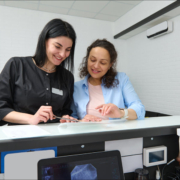
 One of the key benefits of a DSO partnership is that clinical decisions remain with the dentist. Treatment planning, patient relationships, and professional judgment are not dictated by the organization. Dentists maintain full responsibility for care while the DSO manages non-clinical operations. This model protects the integrity of the profession while relieving business pressure.

 Dental school teaches the fundamentals of diagnosis, treatment, and patient communication. However, new dentists quickly discover that real-world practice brings unique challenges. Mentorship provides practical advice on everything from complex cases to time management. Experienced dentists guide younger colleagues through treatment planning, clinical techniques, and patient relationships. This support accelerates professional growth while minimizing costly mistakes.

 DSOs often purchase advanced equipment for their practices, including intraoral scanners, digital radiography, and milling machines for same-day crowns. These technologies improve diagnostic accuracy, streamline procedures, and enhance patient outcomes. Without DSO support, many dentists would struggle to afford such upgrades.

 One of the most immediate benefits is

 DSOs handle scheduling, billing, and insurance management. Reduced administrative workload increases available time for patient care. Professional staff manages patient intake, payment processing, and insurance claims. DSOs reduce scheduling conflicts and improve patient flow. Professional billing increases cash flow and reduces outstanding accounts. Centralized management reduces paperwork and operational stress. Reduced workload increases work-life balance and professional satisfaction. Professional support increases office efficiency and appointment consistency. Reduced stress increases focus on complex cases and patient care quality. DSOs improve operational consistency and patient satisfaction. Selling to a DSO increases practice efficiency and reduces administrative burden. Professional support increases confidence and clinical focus.

 DSOs handle insurance verification and billing. Professional staff reduces coding errors and claim rejections. Centralized billing increases payment consistency and reduces processing time. DSOs negotiate higher reimbursement rates with insurance providers. Professional oversight ensures accurate billing and payment tracking. Faster claim processing increases cash flow and operational stability. DSOs monitor outstanding payments and reduce overdue accounts. Reduced billing errors increase financial accuracy and revenue consistency. Professional care improves patient invoicing and payment collection. Stronger cash flow increases practice profitability and financial strength. Reduced billing burden increases focus on patient care. DSOs improve billing efficiency and financial consistency.

 PDC provides business training and practice management support. Their team teaches dentists how to handle scheduling, billing, and insurance. Professional guidance improves financial planning and revenue management. PDC’s experts teach dentists how to increase patient retention and case acceptance. Business coaching improves operational efficiency and practice profitability. PDC helps dentists create long-term growth strategies. Professional monitoring improves cash flow and expense control. Stronger financial performance increases practice value and operational stability. PDC’s team provides training on staff management and patient scheduling. Professional business guidance increases confidence in operational decisions. Improved business management increases overall practice strength. Stronger business performance increases long-term career success and practice stability.