

Balancing Autonomy and Support with a DSO: A Smarter Way to Practice Dentistry
Dental Service Organizations (DSOs) offer a powerful model for growth, but many dentists wonder how to balance clinical autonomy with centralized support. The right DSO partnership lets you maintain control over patient care while benefiting from expert business services. When structured correctly, this balance improves efficiency, reduces stress, and strengthens long-term success.
Understanding Autonomy in a DSO Model
Clinical autonomy remains a top priority for most dentists. In a well-designed DSO relationship, you retain full control over diagnosis, treatment planning, and patient care decisions.
This means you continue practicing dentistry your way, guided by your clinical judgment and standards. The DSO does not interfere with how you treat patients. Instead, it supports your ability to deliver high-quality care without distraction.
Maintaining this autonomy ensures that patient outcomes remain the top focus of your practice.
The Value of Centralized Support Services
 While you focus on clinical care, a DSO handles non-clinical operations. These services often include billing, marketing, HR, accounting, compliance, and procurement.
Centralized systems improve efficiency and reduce overhead. You gain access to professional expertise and proven processes that would be difficult to build independently.
Marketing support helps drive patient growth, while streamlined billing improves cash flow. HR services simplify hiring and team management. Together, these functions create a stronger, more scalable business.
Finding the Right Balance
The key to success lies in clear role definition. You manage patient care and clinical decisions, while the DSO manages business operations.
Open communication ensures alignment. Regular check-ins help address concerns, refine processes, and maintain transparency.
A strong partnership respects your independence while providing the tools and resources needed to grow. This balance allows you to operate efficiently without sacrificing control.
Benefits for Practice Growth and Stability
Balancing autonomy and support leads to better outcomes for both dentists and patients. You can focus on delivering care while the DSO drives operational performance.
This structure supports expansion, whether you want to add locations or increase patient volume. Standardized systems make growth more predictable and manageable.
You also gain financial stability through improved revenue cycle management and cost control.
Choosing the Right DSO Partner
Not all DSOs offer the same level of flexibility. Look for a partner that prioritizes clinical independence and provides transparent support services.
Evaluate their track record, technology, and communication style. A good partner aligns with your goals and respects your approach to patient care.
Build a Better Practice Model
Balancing autonomy with DSO support creates a modern, efficient dental practice. You maintain control where it matters most while gaining the resources to grow.
With the right partnership, you can enhance patient care, reduce administrative burden, and build a sustainable, successful future in dentistry.

 Determine an achievable growth strategy. Growth doesn’t happen by accident; it takes work. Accordingly, take a few minutes to assess where you are and where you want to be. Craft an outline and plan strategies to use to achieve your goals.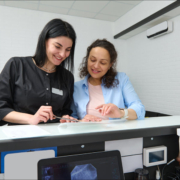
 One of the key benefits of a DSO partnership is that clinical decisions remain with the dentist. Treatment planning, patient relationships, and professional judgment are not dictated by the organization. Dentists maintain full responsibility for care while the DSO manages non-clinical operations. This model protects the integrity of the profession while relieving business pressure.
 DSOs handle scheduling, billing, and insurance management. Reduced administrative workload increases available time for patient care. Professional staff manages patient intake, payment processing, and insurance claims. DSOs reduce scheduling conflicts and improve patient flow. Professional billing increases cash flow and reduces outstanding accounts. Centralized management reduces paperwork and operational stress. Reduced workload increases work-life balance and professional satisfaction. Professional support increases office efficiency and appointment consistency. Reduced stress increases focus on complex cases and patient care quality. DSOs improve operational consistency and patient satisfaction. Selling to a DSO increases practice efficiency and reduces administrative burden. Professional support increases confidence and clinical focus.
 Focus on Patient Experience

 One of the key benefits of partnering with a dental management group is the ability to streamline your practice’s operations. By leveraging their expertise and resources, you can: