

Grow Your Dental Practice: Tips and Tools
Even if you have been practicing dentistry for years, you are always interested in adding new patients to your database. It is essential to stay connected to your current patients. However, failing to court new ones can cause your practice to stagnate and can ultimately affect your bottom line. Building a thriving practice can take time and effort. Fortunately, you don’t have to do it alone. In other words, there is a myriad of actions you can take to grow a dental practice.
Tips for Building a Thriving Dental Practice
 Determine an achievable growth strategy. Growth doesn’t happen by accident; it takes work. Accordingly, take a few minutes to assess where you are and where you want to be. Craft an outline and plan strategies to use to achieve your goals.
- Set measurable goals. Simply saying you want a bigger practice isn’t enough. You need to define what “more” looks like. For example, do you want 20% more patients by the end of the year? Or, perhaps, maybe you would like to expand the cosmetic dentistry side of your practice. Whatever the goal, be clear in your expectations. Once you’ve determined what growth looks like, let your staff know the plans so you can work together as a team.
- Display for patient testimonials and reviews. Getting positive feedback from patients on Yelp, Google, and social media platforms is great. But take things a bit further and post those reviews on your website, have them scrolling on your website, or perhaps on a screen in your office waiting area.
- Build a reputation for geriatric or pediatric care. These two age groups often need special care and comfort for dental procedures. Go the extra mile to make them feel at ease. The satisfied patients and their families will tell others and soon be sending new patients your way.
- Invest in continuing ed and updated technology. Being a dentist and having certified hygienists and dental assistants is not enough. In addition, you must ensure that all your team members constantly learn new skills. Also, while you may not have the most recent release or tool, endeavor always to update and modernize your office.
- Cultivate a setting your patients enjoy. For many people, a dentist visit causes anxiety and fear. As a result, do your part to help your patients to be comfortable at your office. You can do this through-
- Short wait times
- Easy check-in and check-out procedures
- Designing inviting office space and examination rooms
- Staying upbeat when interacting with patients and staff
- Team up with Progressive Dental Concepts. We have the tools, marketing pros, and business development know-how to help take your practice to the next level. By joining us, you will have more time and staff resources to see the new patients.
Tools to Build Your Practice
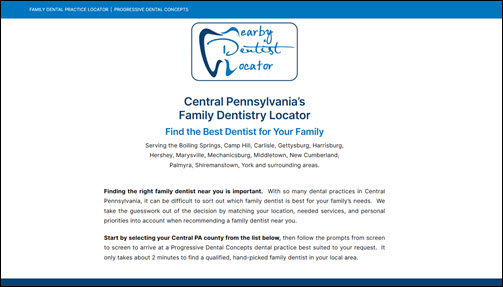
At PDC, we have all the tools you need to take your practice farther than you have ever expected. With the tools, training, and technology teaming up with us offers, you will be amazed how much more efficient and effective your office and staff will be. Likewise, as we continue to expand and support the umbrella of practices we cover, we provide marketing and patient lead generation to help your practice grow. For example, one of our lead-producing tools that drives new patients to our practices is our Nearby Dentist Locator website. You practice dentistry. We send you new patients!
Don’t sit back and just think about what your dental practice could look like. Give Progressive Dental Concepts a call today and learn how you can do more.
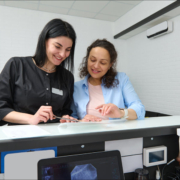
 One of the key benefits of a DSO partnership is that clinical decisions remain with the dentist. Treatment planning, patient relationships, and professional judgment are not dictated by the organization. Dentists maintain full responsibility for care while the DSO manages non-clinical operations. This model protects the integrity of the profession while relieving business pressure.
 DSOs handle scheduling, billing, and insurance management. Reduced administrative workload increases available time for patient care. Professional staff manages patient intake, payment processing, and insurance claims. DSOs reduce scheduling conflicts and improve patient flow. Professional billing increases cash flow and reduces outstanding accounts. Centralized management reduces paperwork and operational stress. Reduced workload increases work-life balance and professional satisfaction. Professional support increases office efficiency and appointment consistency. Reduced stress increases focus on complex cases and patient care quality. DSOs improve operational consistency and patient satisfaction. Selling to a DSO increases practice efficiency and reduces administrative burden. Professional support increases confidence and clinical focus.
 Focus on Patient Experience

 One of the key benefits of partnering with a dental management group is the ability to streamline your practice’s operations. By leveraging their expertise and resources, you can: