
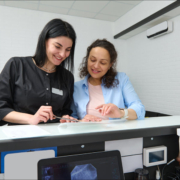
Partnering with a DSO: Balancing Independence and Support
Many dentists hesitate to join a Dental Support Organization (DSO) because they fear losing independence. They worry about having less control over patient care or practice decisions when partnering with a management company. In reality, DSOs are structured to provide business support while leaving clinical autonomy in the hands of practitioners. By balancing independence with organizational support, DSOs help dentists thrive both professionally and personally.
Clinical Autonomy Remains with the Dentist
 One of the key benefits of a DSO partnership is that clinical decisions remain with the dentist. Treatment planning, patient relationships, and professional judgment are not dictated by the organization. Dentists maintain full responsibility for care while the DSO manages non-clinical operations. This model protects the integrity of the profession while relieving business pressure.
Support in Business Operations
Running a dental practice involves managing payroll, HR, compliance, insurance negotiations, and marketing. For many practitioners, these tasks are overwhelming. DSOs provide professional teams to handle these functions, giving dentists the freedom to focus on dentistry. This balance ensures patient care remains the priority while business functions are handled by experts.
Flexibility for Different Career Stages
Younger dentists often join DSOs to reduce financial pressure while they build experience. Mid-career dentists may partner with a DSO to expand services or balance practice ownership with family life. Nearing retirement, dentists may use DSO support to transition smoothly while maintaining patient care. In each stage, DSOs provide support tailored to individual goals.
A Sustainable Model for Dentistry
As the dental industry evolves, DSOs provide stability and sustainability. They reduce burnout by preventing dentists from carrying the entire burden of ownership. They also encourage collaboration across networks, allowing practitioners to share knowledge and improve outcomes.
Partnering with a DSO balances independence with support. Dentists retain clinical autonomy while gaining resources that make practice management easier. This partnership model empowers practitioners to focus on patients, achieve personal balance, and build sustainable careers.

 One of the most immediate benefits is